In the wake of the explosive leaked video, Taylor Frankie Paul has once again become the center of a media firestorm — but this time, the attention is far from the kind that fuels reality TV success.
What was once framed as messy personal drama has now escalated into a full-blown crisis, with serious consequences rippling across her career, her partnerships, and the shows that helped make her a household name.

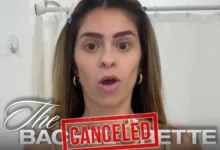
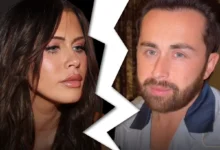
The fallout was swift and unforgiving. Within hours of the video surfacing — allegedly showing a 2023 domestic violence incident involving Paul and her then-partner — ABC made the drastic decision to halt the release of “The Bachelorette” indefinitely.
The network had already invested heavily in Season 22, banking on Paul’s controversial yet magnetic public persona to revive the franchise after a period of declining ratings and audience fatigue. Instead, what they got was a PR nightmare of the highest order.


Executives reportedly scrambled behind the scenes as the video spread rapidly online, triggering outrage among viewers and advocacy groups alike. While the details of the incident had previously been part of public record, seeing the footage itself proved to be a turning point.
For ABC and its parent company Disney, airing the season under these circumstances was no longer just risky — it was untenable.
The optics of promoting a reality dating show led by someone embroiled in such a serious controversy threatened to damage not only the franchise, but the broader brand image of the network.

But the consequences didn’t stop there.
Shortly after ABC’s announcement, Meta — one of Paul’s most significant commercial partners — quietly severed ties with the influencer.
Known for her massive following on platforms like Instagram and TikTok, Paul had long been a key figure in the #MomTok community, leveraging her online presence into lucrative brand deals and sponsored content.
Meta’s decision to suspend collaboration signals just how severe the reputational damage has become. In today’s digital economy, where public image is everything, even a hint of controversy can be enough to trigger corporate distancing. In Paul’s case, the backlash was anything but minor.

Then came what many insiders are calling the final blow.
Hulu, the streaming platform behind the hit reality series The Secret Lives of Mormon Wives, officially announced that Paul would be removed from the show moving forward.
According to sources close to production, the decision was made after intense internal discussions about the ethical implications of continuing to feature her.
Season 4, which had already been filmed in large part, is now undergoing significant re-editing. Producers are reportedly working to minimize or completely eliminate Paul’s presence from the remaining episodes — a costly and time-consuming process that underscores the gravity of the situation.
This development is particularly striking given that Paul was not just a cast member, but arguably the central figure of the series.
Her chaotic personal life, candid confessions, and unpredictable behavior were key drivers of the show’s popularity. Removing her from the narrative risks disrupting the entire structure of the season — yet producers appear willing to take that risk in order to distance the show from the controversy.
Behind the scenes, the mood has reportedly shifted from excitement to crisis management. Crew members, editors, and executives are now tasked with salvaging a season that was once expected to be a ratings success.
The question looming over the production is whether the show can maintain its appeal without the very person who made it so compelling in the first place.
Meanwhile, public reaction continues to intensify. Fans are divided, with some expressing disappointment over the cancellations and others arguing that the consequences are justified. Advocacy groups have also weighed in, emphasizing the importance of accountability in cases involving alleged domestic violence.
For many, this is no longer about entertainment — it’s about the message being sent by networks, brands, and platforms that choose to either support or distance themselves from controversial figures.
As for Paul herself, her future remains uncertain. Once seen as a rising star in the reality TV world, she now faces a landscape where opportunities are rapidly disappearing.
The combination of a halted network show, lost brand partnerships, and removal from a flagship streaming series represents a dramatic reversal of fortune — one that few in the industry could have predicted just weeks ago.
The situation also raises broader questions about the nature of reality television and influencer culture. How much personal controversy is too much?
At what point does “authenticity” cross the line into liability? And who ultimately bears responsibility when real-life actions collide with carefully curated public personas?
For now, one thing is clear: the fallout from this scandal is far from over. As networks reassess their strategies and audiences continue to react, the story of Taylor Frankie Paul serves as a stark reminder of how quickly fame can turn — and how, in the age of viral content, a single moment can change everything.

 NorahC